Four Ways Your Food is Failing You
- Nov 20, 2015
- 2 min read
Food has been considered an integral part of human culture for centuries. Each geographical region has its own specialties and each country has its own food personality. What happens when our own food system turns against us? Is it possible that our industrialized system is actually increasing our health risks? Here are four ways that our food system is lacking:
1. Foodborne illnesses
70% of all antibiotics produced in the United States are fed to animals, often for non-therapeutic purposes (Horrigan et al). This leads to antibiotic resistant strains of diseases that can be transferred to humans (Horrigan et al). Each year, there are 5,000 deaths in the United States from foodborne diseases (Horrigan et al). In addition to that, there are 76 million illnesses and 325,000 hospitalizations from these illnesses (Horrigan et al). Factory farms increase the risk for salmonella and campylobacter contamination, leading to even more illness (Horrigan et al).

2. Pesticides
It is estimated that the United States uses over 1 billion pounds of pesticides in a year (Alavanja). Prolonged exposure to pesticides is linked to poisoning, coma, blindness, infertility, and cancer. Pesticide poisoning affects 2 million people each year, and about 10,000 of these cases are fatal (Horrigan et al). While the majority of these detrimental effects fall on farm workers, the general population is also at risk. Drinking water has the potential of being contaminated when water from our farms runsoff into streams. We are also consuming pesticide residue on our foods. The best way to prevent consuming this residue is by eating sustainably grown foods, which require significantly less pesticides to produce.

3. GMOs
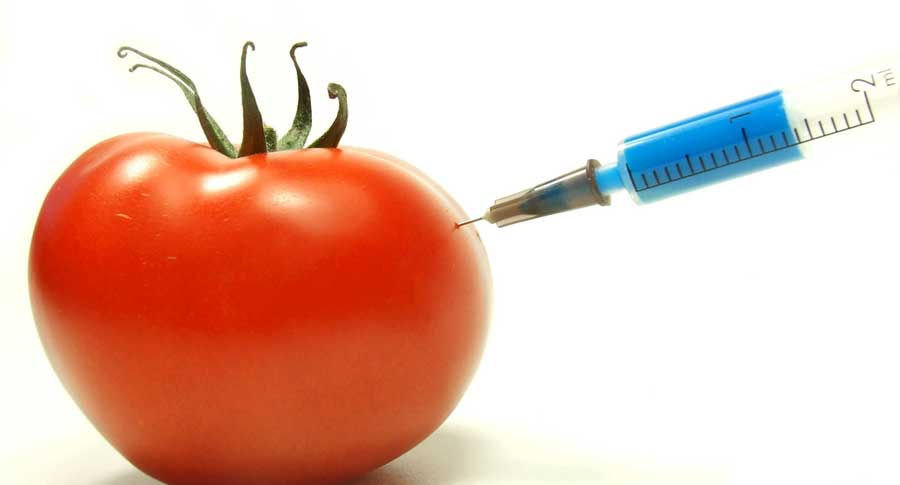
Despite the many recorded benefits of GMOs, there is a risk that introducing new genes into our crops that we have not consumed before. The majority of our food grown in America is genetically modified, and there is no real way to know exactly what genes are being inserted into them. This is a serious issue because people with certain allergies may unknowingly eat something with that gene inserted into it. For example, in the mid-1990's, a gene from a Brazil nut was inserted into a soybean, triggering reactions in those with nut allergies (Leary). A case like this could be potentially deadly to thousands.
4. Processed Food
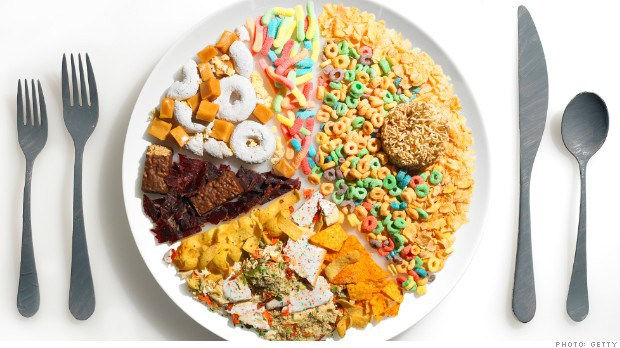
Our current agricultural system favors wheat, soy, and corn— all key ingredients for processed foods. It is estimated that over 60% of our caloric intake comes from processed foods ("US Food Consumption as a % of Calories."). Eating these foods can lead to cancer, diabetes, and cardiovascular diseases (Horrigan et al). We are often told to control ourselves and resist this processed food, but it can be extremely difficult when our own government is subsidizing the ingredients used in them, making them significantly less expensive than healthier, unprocessed options.
The best way to avoid these health risks is to avoid them by eating sustainably. Visiting your local farmers' market, growing your own backyard garden, or buying certified organic foods are all ways you can help the environment and help yourself.

Comments